
Caring for Women and Girls in Haiti’s Displacement Camps
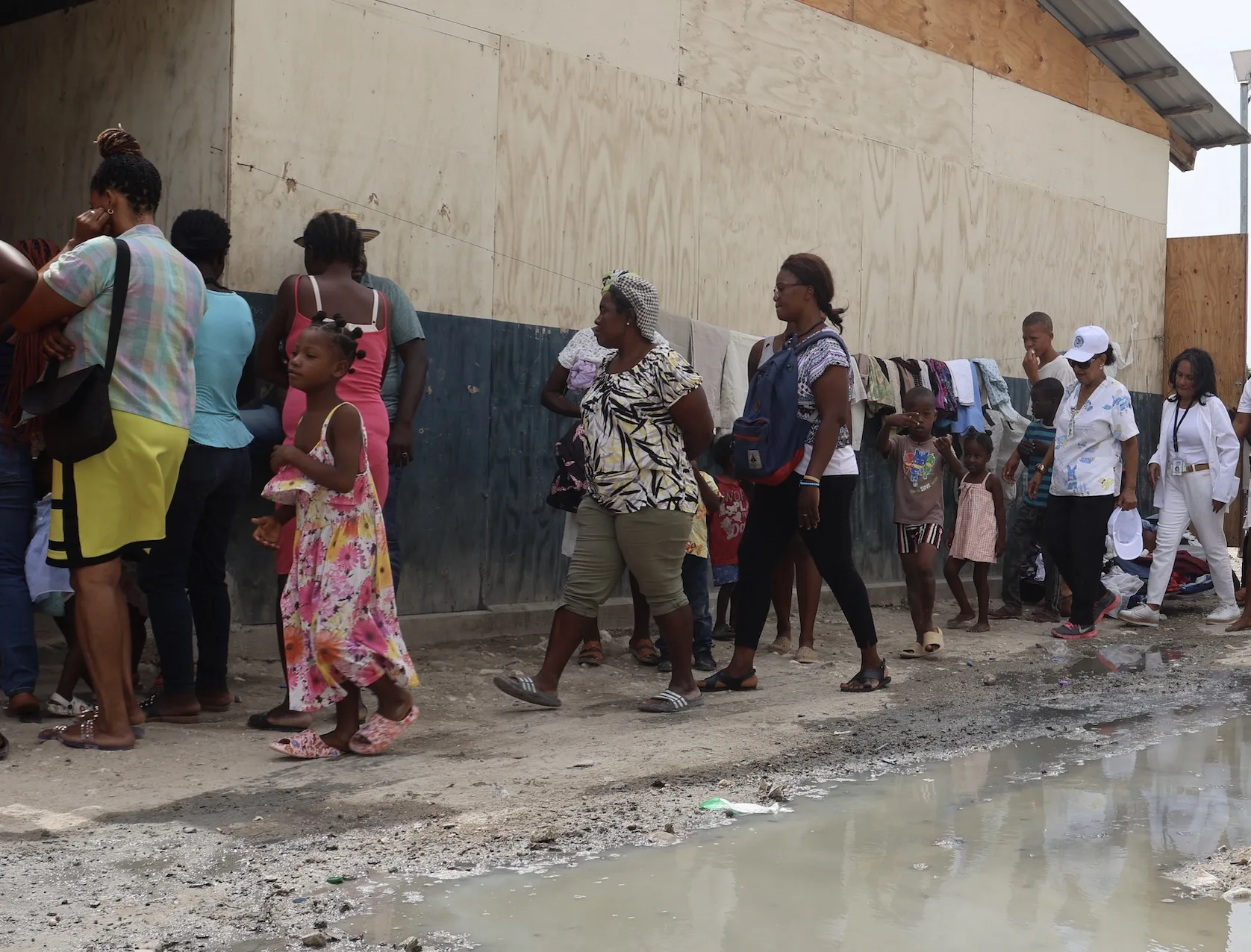
In Haiti’s internally displaced communities, violence does not end when women and girls reach safety. For many, displacement follows experiences of sexual assault, exploitation, or coercion—traumas that are often unspoken and untreated. Once in the camps, the challenges continue: limited sanitation, safety concerns, and the absence of consistent support systems.
These conditions create a major gap. Survivors of gender-based violence frequently lack specialized assistance, psychosocial support, or protection at the very moment they need it most. Untreated trauma can lead to long-term mental health consequences, unsafe pregnancies, and increased vulnerability to further harm.
GHESKIO has developed an integrated response designed for these realities—one that meets women and girls where they are. Through mobile and community-based services, the program provides essential medical care, including reproductive health services and treatment for survivors of sexual violence. At the same time, trauma-informed mental health care offers a space for women to process their experiences, begin healing, and rebuild a sense of stability.
This work is grounded in continuity. Community health workers—many from the communities themselves—play a critical role in identifying at-risk individuals, maintaining follow-up, and ensuring that care does not stop after a single visit. They serve as a bridge between the formal health system and women who might otherwise remain invisible.
Recognizing that recovery is not only physical or emotional, GHESKIO also supports women beyond immediate care. Postnatal follow-up, nutritional support, and access to vocational training create pathways toward longer-term stability. These efforts help women move from crisis toward independence—reducing the risk of repeated harm and breaking cycles of vulnerability.
In environments defined by instability, this model offers something essential: consistent, compassionate care that restores dignity and creates the conditions for healing. For women and girls living through profound trauma, it is not only a response—it is a lifeline.